Having made it into Theo Smith’s list of Top 80 UK Neurodiversity Evangelists to follow, here is some background for my new followers.
In 2018, I took my eldest child, who was 14 at the time, to see a psychiatrist about his extreme anxiety attacks. She listened and observed, then concluded that what he was describing was something more extreme – autistic meltdowns. Yes, anxiety was an issue, but the underlying cause of his anxiety was autism.
As I had a long history of anxiety attacks and cycles of depression, so I started to wonder whether I may also be autistic, and surprise surprise, to cut a long story short I was then diagnosed autistic at the ripe old age of 42.
This was extremely validating for me. Finally, I felt vindicated, and my life suddenly started to make so much more sense. Finally, there was a tangible reason I felt weird and different, and struggled with things that my peers took for granted, like meeting new people and saying the right thing at the right time.
At work, I immediately declared autism as a disability. I felt enough psychological safety to be openly autistic at work, and drop the mask, which I realise is a privilege denied to too many. I have worked in HR for 20 years, so I knew the policies and processes, the employment law, my employment rights. I already had reasonable adjustments in place for anxiety, so my manager and I updated these in light of the autism diagnosis and started to identify my specific needs.
I started talking openly about autism at work, delivering presentations to anybody who would listen about neurodiversity inclusion in the workplace, because I wanted to be a visible role model to help neurodivergent colleagues feel safe to disclose without fear of discrimination, to be able to effectively self-advocate for their individual needs, to thrive at work as their authentic selves, unmasked, and with the understanding and support they need. However, the inclusive and supportive culture must come first.
I also hope by sharing relatable content I can help some of the many undiagnosed autistic people in the workplace to identity their neurotype, and therefore access the understanding, support, adjustments, and employment protection they need. I do think there are a lot of us, that autism is far more common that people realise, and far more common than those misleading stats suggest. Many of us, especially women and anyone assigned female at birth, pass through education with neurological differences undetected, and venture into the workplace without adequate support.
Greater inclusion for human differences needs to happen across society, for people of all ages and neurotypes, and I am well-positioned to promote understanding and acceptance of neurodiversity within my HR network.
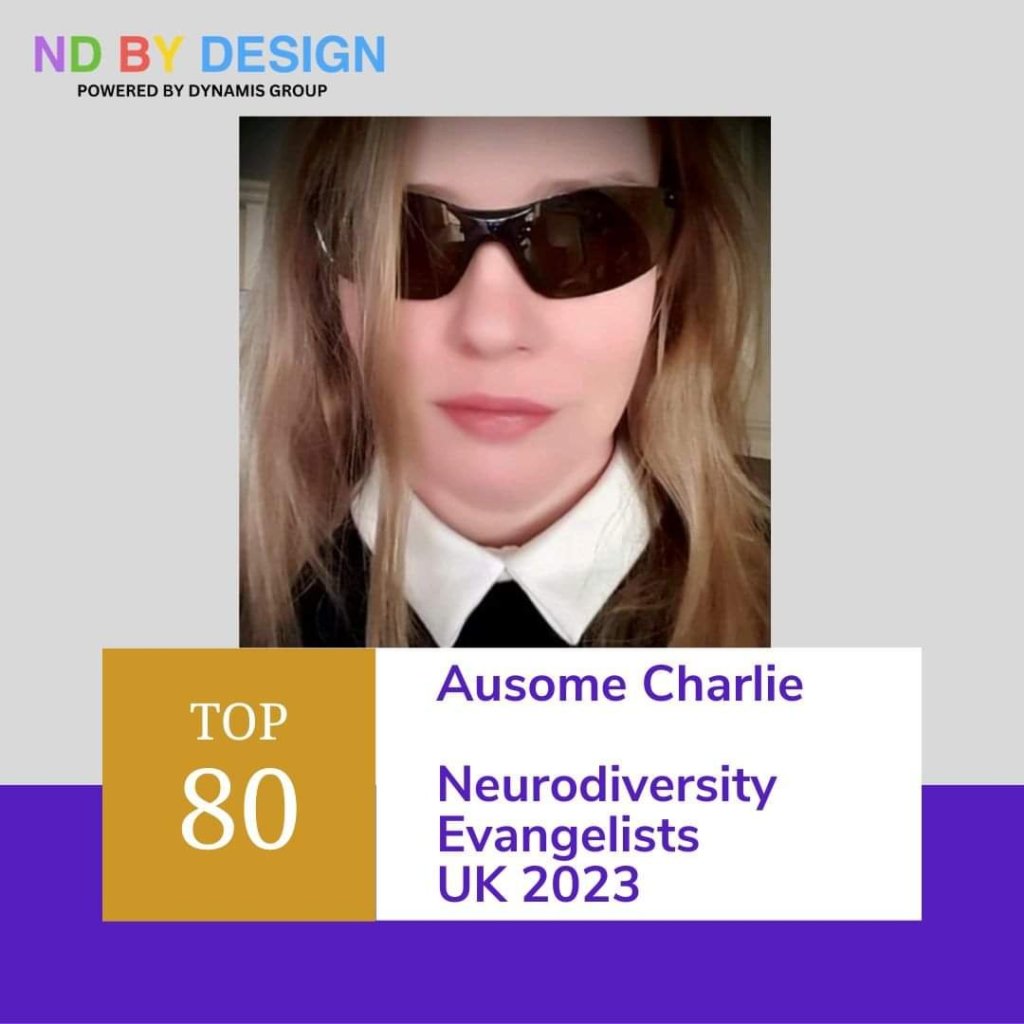
 Ausome Charlie